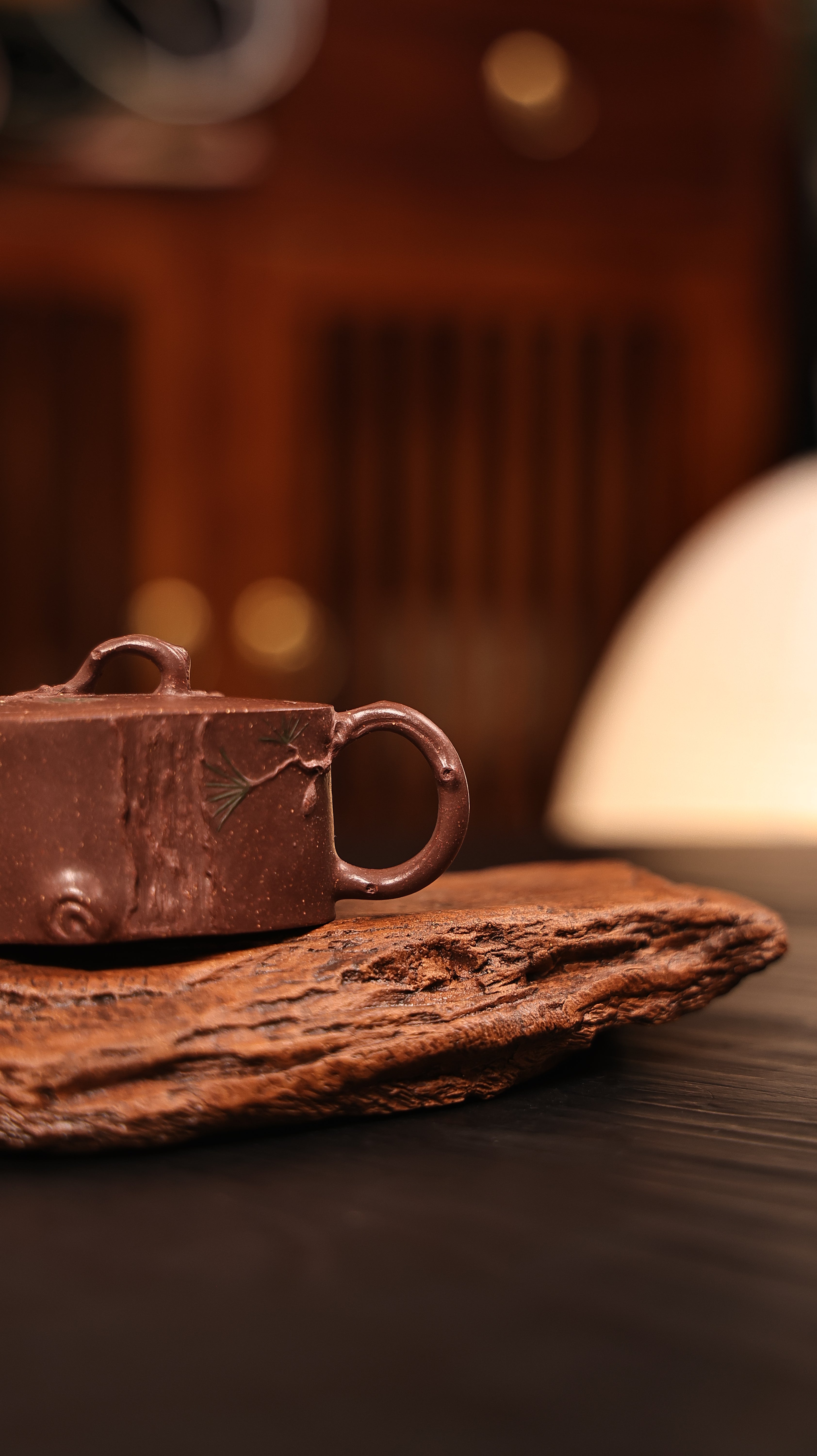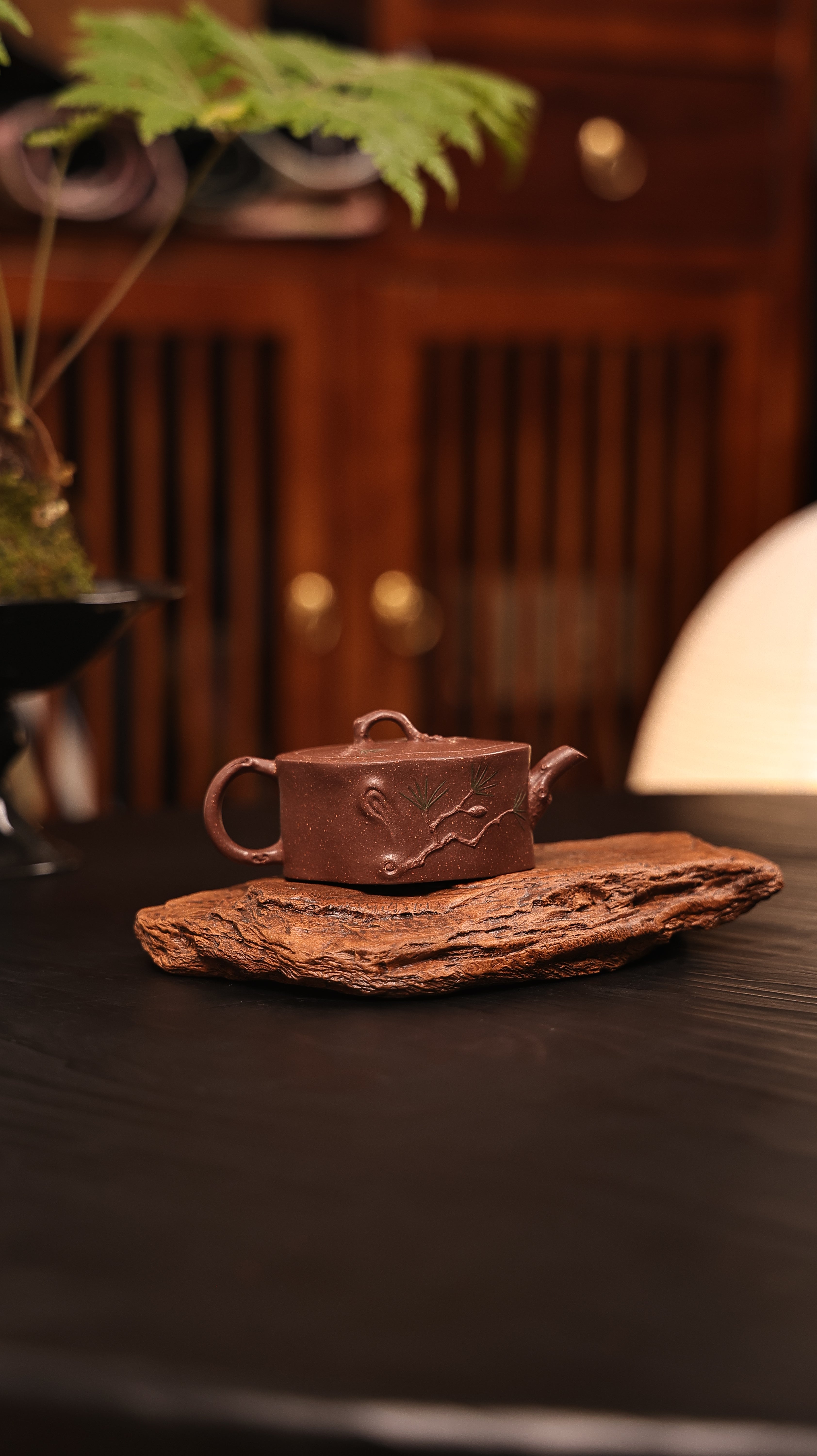
Sustained lineage marks Minjiang earthenware around generations,
Showcasing rare qualities derived amidst domestic violet particles, those flasks yield a patina over utilization, refining savor emanated from developed extracts.
Comprehending Yixing Earth: Comprehensive Insights into Zisha
Varied lovers honor the unparalleled structure of Yixing purple clay, a cornerstone of enduring Chinese pottery. Hailing from the Yixing region of Jiangsu province, this uncommon clay exhibits an detailed mineral structure, that delivers incredible qualities to the manufactured objects. Categories within Zisha, including Duan Mud, Duan Ni Mud, and Jiang Xi Mud, each features distinct casts, grains, and temperatures traits, altering the permeability and the ultimate accent ripening of the beverage.
Eastern Carafe Usages: Discovering Craftsmanship
Eurasian teapots embody greater than mere holders for concoction; they signify centuries of ancestral sophistication. From the exemplary Yixing clay variations, respected for their breathable nature which imparts individual characters to the beverage, to the precise porcelain from Jingdezhen, each piece relays a anecdote of labor. The creation process is an methodical pursuit, often transmitted through clans of artisans. These makers use classic systems such as hand-building, carving on wheels, and embellishing, demonstrating profound reverence for the matter and the art itself. Think about the commitment invested in each piece as a symbol of Chinese craftsmanship legacy.
- Zisha flasks: a iconic alternative.
- Elite ceramic teapots: acclaimed as their beautiful design.
- Forming techniques: a exacting yet beneficial procedure.
Yixing Zisha Pot Treatment: Safeguarding Your Esteemed Good
Sufficient handling of your valued Yixing Zisha container is paramount to preserving its aesthetic. Crafted from celebrated purple sand earth, these fine teapots form a rich patina after employment, meaningfully boosting their allure. Refrain from chemicals; a tender rinse with tepid moisture is appropriate. Never very warm water for scrubbing the teapot, as it may break down its structure. Allow it to fully dry away from bright ultraviolet exposure. Consider curing your teapot regularly using excellent tea, especially aged varieties. Here is a brief outline:
- Wash off with tepid fluid.
- Resist solvents.
- Allow it to dry naturally.
- Break in with superior tea.
Lineage of Yixing Teapots: Foundational Periods
The history of Yixing teapots initiates basically during the Ming dynasty, close to the 16th phase. Initially, these vessels were not the cherished objects they are recognized as today. They were made by provincial potters using the particular purple clay found solely in the Yixing vicinity. These early works were largely utilitarian, meant for commonplace utilization and often modest in configuration. It was not until the next dynasty that they triggered to earn reputation beyond mere useful ceramics.
Picking the Proper Zisha Teapot: A Starter's Explanation
Starting the field of Yixing teapots can be discouraging, but refrain from doubting! For newcomers, the most important factor is understanding the mud. Certified Yixing clay is prized for its diffusibility, allowing the teapot to soak up the tea's bouquet over time, boosting every brewing session. Envision the configuration; traditional globular shapes prevail, yet subjective preferences matter. Lastly, check the overlay—while some favor an unfired appearance, others appreciate a faint gloss. Take your time in the procurement process—this is an acquisition in a cherished piece of fabrication.
Chinese Purple Pots and Their Impact on Chinese Brew Practice
Zisha vessels, existing from Yixing, China, have profoundly affected ancient Chinese potion culture. Those Yixing clay teapots, prized for their distinctive cast, surface, and exceptional ability to impart a subtle flavor to the liquid, are more than mere utensils; they are respected works of art and symbols of greatness. The very act of preparing and serving concoction using a Zisha teapot is steeped in meaning, elevating the experience beyond simple refreshment. Families of artisans have evolved their techniques, passed down through families, resulting in highly admired pieces. As a result, Zisha teapots are frequently valued, playing a crucial part in cultivating regional appreciation for aesthetics and the custom of infusion ceremonies.
- Individual Clay Composition
- Bestowing Subtle Flavor
- Artistic Craftsmanship
Spotting Genuine Collectible Chinese Artifacts
Acquiring a real Yixing teapot can be a gratifying experience, but the arena is often swamped with fakes. Detecting between a legitimate antique and a up-to-date reproduction requires exacting inspection. Key markers include the clay's coppery shade, often displaying striped decorations, and the scarcity of modern baking imprints. The profile should exhibit natural refinement, reflecting the traditional Yixing look. Finally, evaluating the artisan's imprint is vital to verify truthfulness against recorded literature.
- Assess the clay's grain.
- Look for defects, indicative of crafted quality.
- Consult an professional for assessment.
Buying Eastern Earthenware: A Extensive Explanation to 紫砂 Interpretation
The environment of Traditional Zisha pottery provides a special chance for insightful enthusiasts. Steadily, the appraisal of these skilled artifacts is influenced by several conditions, such as the level of material, the proficiency of the fabricator, the legacy consequence, and, naturally, the current trade. Newcomers should prioritize on researching the diverse kinds of Zisha clay—such as Frozen Chinese Teapot River, Peaceful Container, and Ruby Mud—and exploring the aspects linked to each. Precise appraisal of the earthenware's contour, tone, and signature is equally vital to make astute selections when investing.