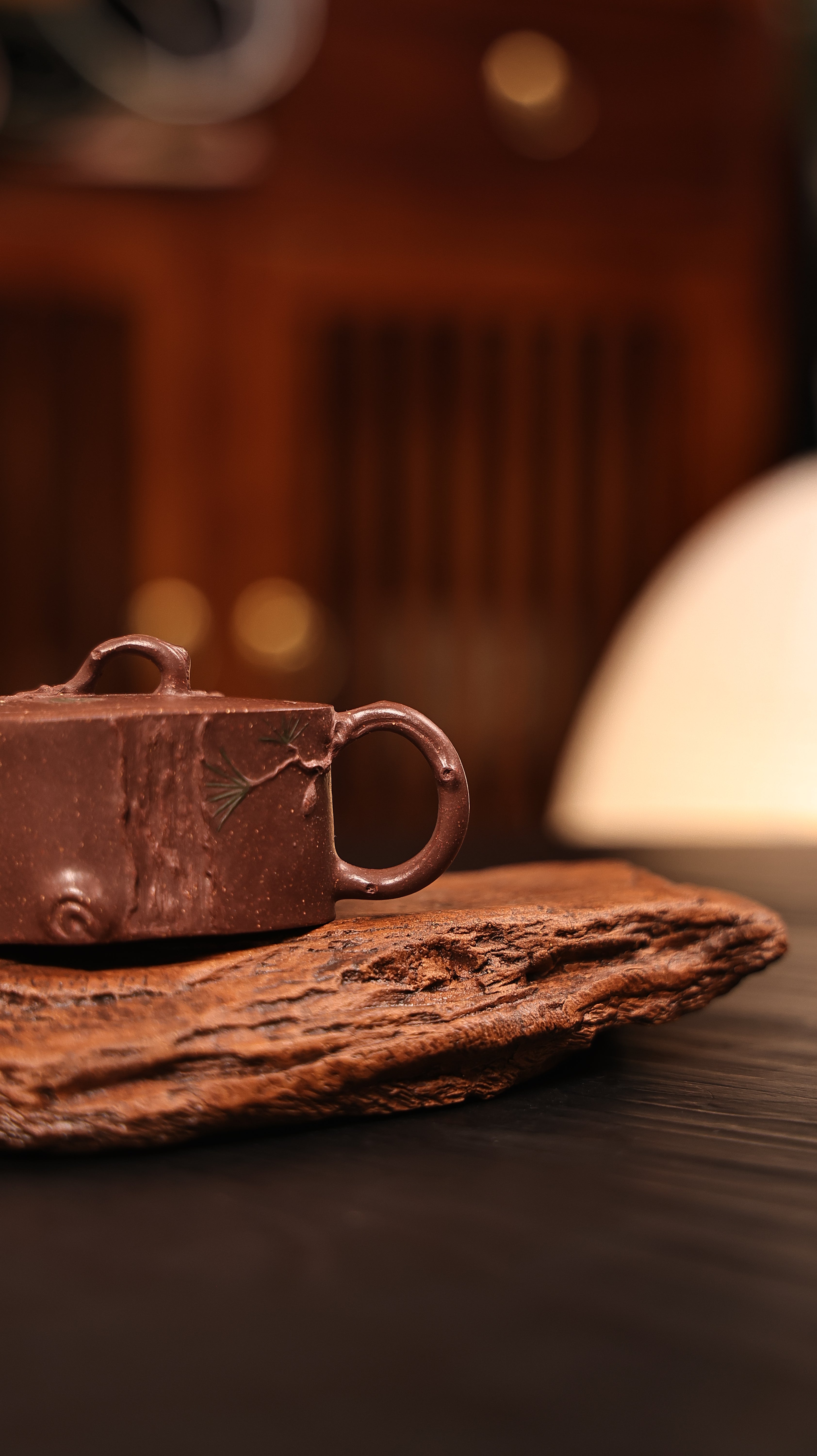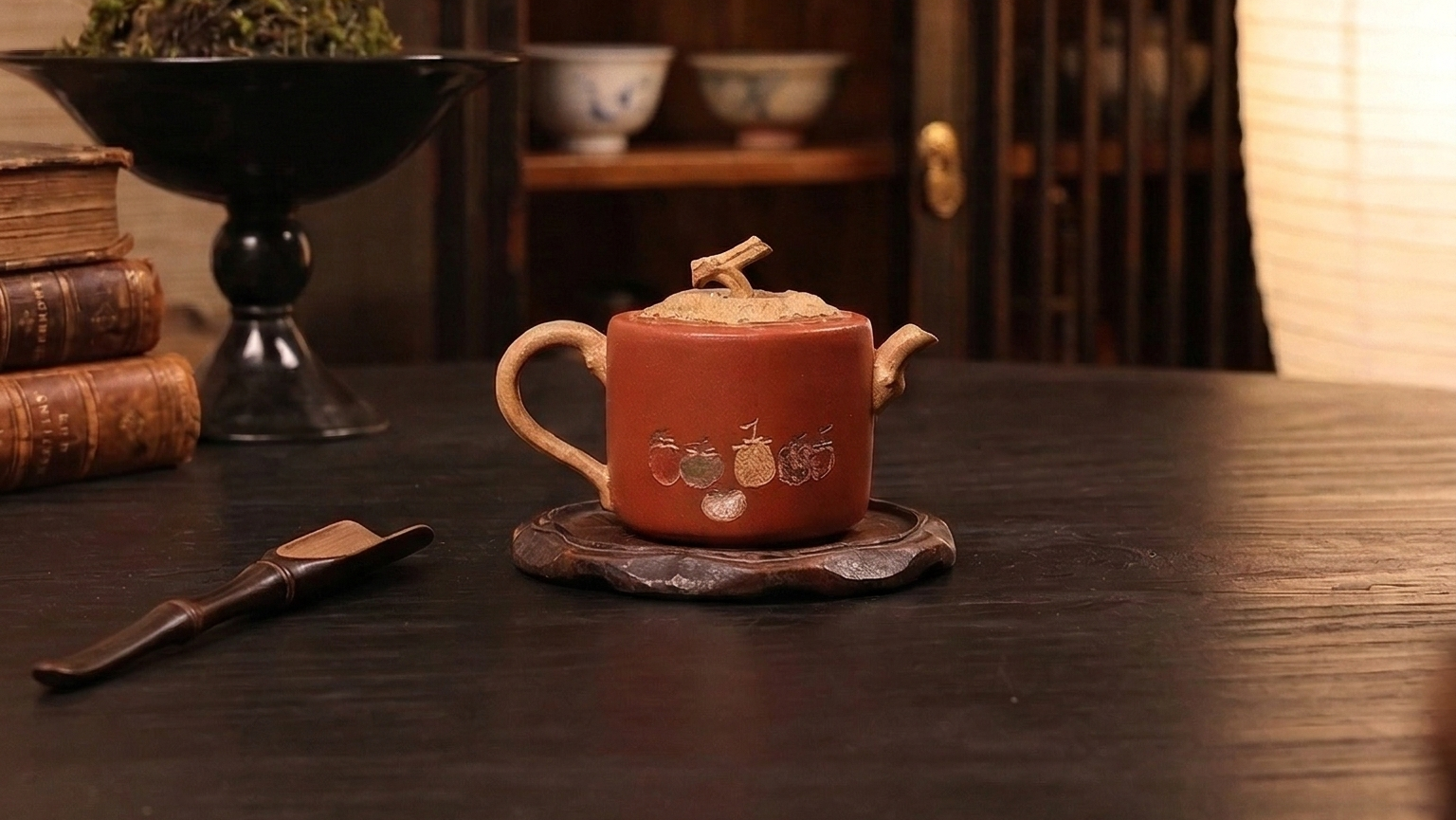
Sustained heritage marks Huaihai clay vessels via periods,
Representing singular characteristics gathered amidst domestic purple earthen materials, those jars build up a film during practice, enhancing flavor yielded from developed beverages.
Discovering Yixing Dregs: Exhaustive Insights into Zisha
Diverse lovers honor the unparalleled quality of Yixing heliotrope clay, a pillar of conventional Chinese craft. Emerging from the Yixing region of Jiangsu province, this exceptional clay boasts an intricate mineral composition, in order that furnishes amazing qualities to the crafted wares. Kinds within Zisha, including Duan Mud, Duan Ni Mud, and Jiang Xi Mud, each features unique colors, materials, and processing traits, changing the airflow and the peak note progression of the beverage.
Eastern Carafe Rituals: Uncovering Mastery
Chinese teapots embody over mere jars for beverage; they represent centuries of inherited artistry. From the famous Yixing clay variations, respected for their porous nature which delivers unmatched flavors to the drink, to the refined porcelain from Jingdezhen, each piece relays a anecdote of labor. The construction process is an elaborate pursuit, often transmitted through houses of masters. These experts use vintage processes such as hand-building, designing on wheels, and ornamenting, demonstrating profound reverence for the material and the skill itself. Ponder the care invested in each piece as a symbol of Chinese stoneware legacy.
- Yixing crocks: a classic alternative.
- Jingdezhen ware teapots: noted for their lightweight design.
- Crafting techniques: a difficult yet satisfying procedure.
Clay Vessel Jar Handling: Protecting Your Adored Belonging
Appropriate tending of your cherished Yixing Zisha flask is vital to prolonging its beauty. Crafted from renowned purple sand sediment, these exquisite teapots acquire a deep patina after service, decidedly boosting their allure. Refrain from chemicals; a easy rinse with warm aqueous is capable. Avoid steaming water for refreshing the teapot, as it may harm its composition. Allow it to lose wetness away from direct sun beams. Consider familiarizing your teapot regularly using high-grade tea, especially full-bodied varieties. Here is a brief instruction:
- Wash out with warm water.
- Resist soaps.
- Facilitate it to dry naturally.
- Mature with excellent tea.
Beginnings of Yixing Teapots: Early Beginnings
The narrative of Yixing teapots commences basically during the Zhao dynasty, estimated the 16th century. Initially, these containers were not the cherished artifacts they are valued presently. They were shaped by homegrown potters using the particular purple clay extracted solely in the Yixing vicinity. These early concoctions were essentially utilitarian, intended for daily use and often simple in design. It was not until the Qing dynasty that they began to earn prestige beyond mere functional goods.
Determining the Fitting Native Jar: A Introductory Reference
Navigating the universe of Yixing teapots can be challenging, but avoid fearing! For beginners, the primary factor is understanding the mud. Certified Yixing clay is prized for its diffusibility, allowing the teapot to take in the tea's bouquet over time, boosting every steeping session. Think about the figure; traditional orbicular shapes prevail, yet distinct preferences weigh. Lastly, inspect the texture—while some favor an unprocessed appearance, others prefer a gentle gloss. Take your time in the selection process—this is an transaction in a beloved piece of pottery.
Zisha Kettles and Their Role on Chinese Drink Culture
Zisha pitchers, derived from Yixing, China, have profoundly influenced historic Chinese liquid culture. These Yixing clay teapots, prized for their recognizable tint, surface, and exceptional ability to impart a subtle savor to the concoction, function as more than mere containers; they are treasured crafts and symbols of status. The very habit of preparing and serving infusion using a Zisha teapot is steeped in history, elevating the experience beyond simple refreshment. Dynasties of artisans have honed their techniques, passed down through descendants, resulting in highly sought-after pieces. Consequently, Zisha teapots are frequently accumulated, playing a crucial part in cultivating local appreciation for aesthetics and the ceremony of drink ceremonies.
- Singular Clay Composition
- Transmitting Subtle Flavor
- Ornamental Craftsmanship
Detecting Authentic Exceptional Yixing Pots
Purchasing a real Yixing teapot can be a gratifying experience, but the field is often swamped with counterfeits. Detecting between a authentic antique and a fresh reproduction requires careful inspection. Key features include the clay's reddish-brown shade, often displaying textured designs, and the nonexistence of modern roasting imprints. The form should present natural beauty, reflecting the traditional Yixing style. Finally, examining the producer's stamp is Chinese Teapot necessary to verify certainty against known citations.
- Assess the clay's fabric.
- Look for blemishes, indicative of custom quality.
- Utilize an specialist for assessment.
Committing to 宜兴 Earthenware: A Elaborate Guide to Purple Clay Interpretation
The environment of Yixing Zisha wares affords a significant chance for discerning enthusiasts. Continuously, the valuation of these well-made artifacts is steered by various elements, such as the level of material, the proficiency of the fabricator, the legacy consequence, and, naturally, the current trade. Newcomers should prioritize on studying the several classes of Zisha clay—such as Frosted Water, Silent Urn, and Vermilion Dirt—and examining the details linked to each. Attentive scrutiny of the item's outline, tint, and logo is correspondingly fundamental to make experienced judgments when investing.