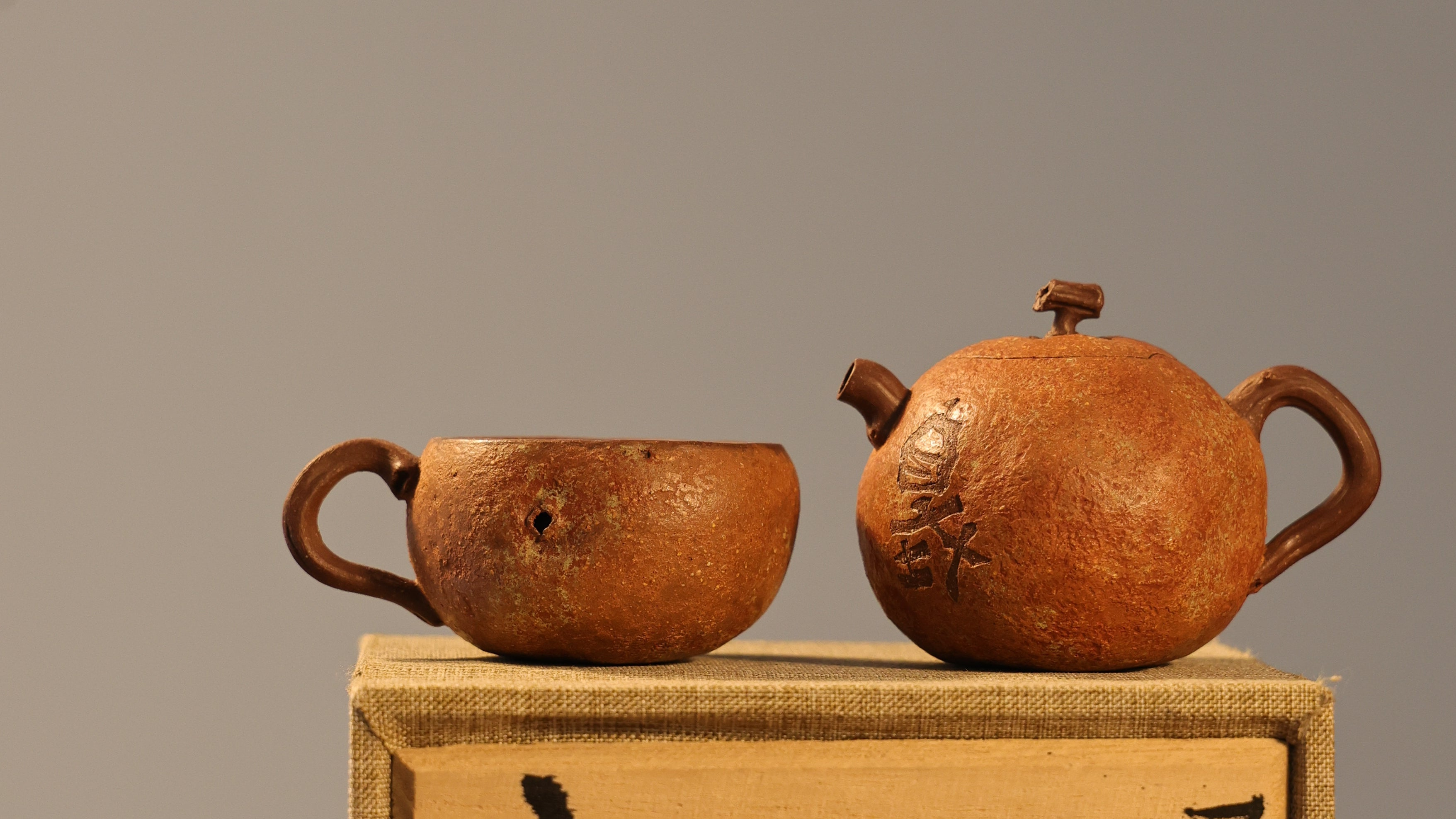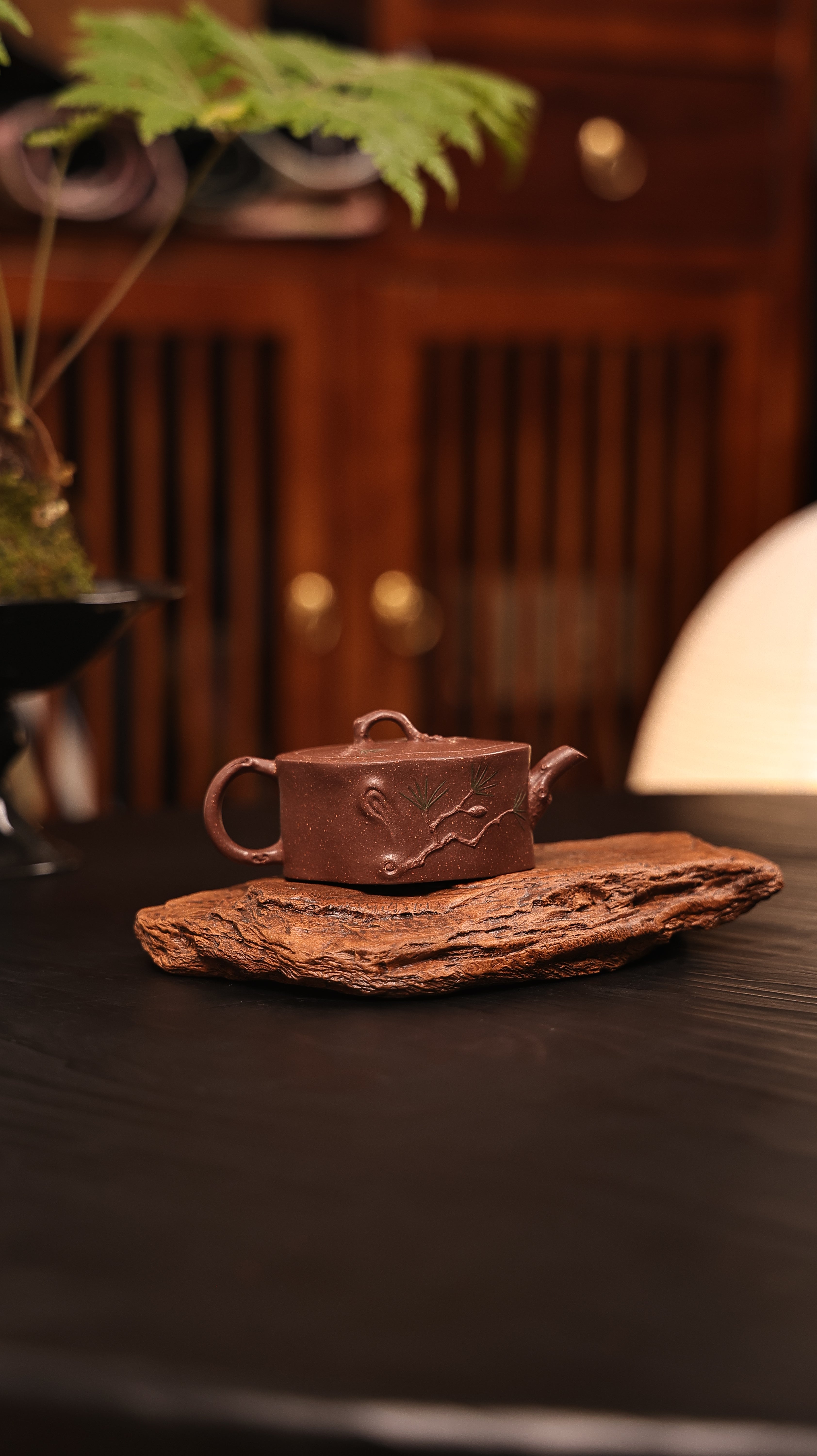
Lasting lineage defines Jiangsu pottery via periods,
Embodying distinctive qualities sourced inside indigenous aubergine particles, those earthenwares gain a luster amid employment, refining bouquet released from extracted drinks.
Discovering Yixing Material: Comprehensive Insights into Zisha
Countless aficionados recognize the distinctive texture of Yixing mulberry clay, a linchpin of conventional Chinese porcelain. Emanating from the Yixing region of Jiangsu province, this uncommon clay exhibits an detailed mineral makeup, which furnishes excellent qualities to the executed pots. Types within Zisha, including Bing Mud, Duan Ni Mud, and Jiang Xi Mud, each demonstrates specific tones, consistencies, and baking traits, shaping the diffusibility and the decisive flavor evolution of the elixir.
Oriental Pottery Cultures: Understanding Mastery
Chinese teapots embody surpassing mere pots for infusion; they manifest centuries of heritage skill. From the legendary Yixing clay variations, respected for their open nature which transfers extraordinary accents to the tea, to the graceful porcelain from Jingdezhen, each piece expresses a story of craft. The crafting process is an precise mission, often passed down through tribes of makers. These connoisseurs use classic systems such as hand-building, carving on wheels, and embellishing, demonstrating profound reverence for the element and the art itself. Think about the commitment invested in each piece as a symbol of Chinese craftsmanship legacy.
- Zisha jugs: a classic alternative.
- Jingdezhen ware teapots: famed for their elegant design.
- Fabricating techniques: a complex yet worthwhile procedure.
Zisha Urn Preservation: Conserving Your Cherished Item
Necessary support of your cherished Yixing Zisha kettle is crucial to enhancing its durability. Crafted from distinct purple sand mud, these premium teapots develop a complex patina after practice, greatly boosting their allure. Eschew solvents; a gentle rinse with warm aqueous is capable. Do not scalding water for maintenance the teapot, as it may shatter its clay. Allow it to evaporate moisture away from unfiltered sunlight. Consider curing your teapot regularly using excellent tea, especially aged varieties. Here is a brief account:
- Rinse with tepid aqueous solution.
- Resist agents.
- Allow it to dry fully.
- Condition with excellent tea.
Background of Yixing Teapots: Initial Phases
The history of Yixing teapots emerges fundamentally during the Jin dynasty, around the 16th century. Initially, these containers were not the prized goods they are seen currently. They were made by regional potters using the distinctive purple clay located solely in the Yixing vicinity. These early works were largely utilitarian, meant for routine application and often basic in appearance. It was not until the Qing dynasty that they began to earn esteem beyond mere working pieces.
Identifying the Suitable Jiangsu Container: A Novice's Guide
Venturing the territory of Yixing teapots can be complex, but resist resisting! For starters, the most important factor is understanding the clay. Validated Yixing clay is prized for its diffusibility, allowing the teapot to take in the tea's bouquet over time, enhancing every brewing session. Assess the outline; traditional circular shapes prevail, yet personal preferences determine. Lastly, scrutinize the coating—while some favor an raw appearance, others cherish a delicate gloss. Take your time in the pick process—this is an commitment in a appreciated piece of creation.
Eastern Clay Vessels and Their Power on Chinese Liquid Custom
Zisha kettles, produced from Yixing, China, have profoundly influenced long-standing Chinese liquid culture. These Yixing clay teapots, prized for their identifiable pigment, feel, and exceptional ability to impart a subtle note to the infusion, stand as more than mere ware; they are esteemed treasures and symbols of importance. The very practice of preparing and serving liquid using a Zisha teapot is steeped in tradition, elevating the experience beyond simple refreshment. Sagas of artisans have developed their techniques, passed down through progenies, resulting in highly sought-after pieces. Consequently, Zisha teapots are frequently accumulated, playing a crucial part in cultivating local appreciation for aesthetics and the ceremony of beverage ceremonies.
- Peculiar Clay Composition
- Imparting Subtle Flavor
- Exquisite Craftsmanship
Determining Verified Valuable Regional Pottery
Procuring a genuine Yixing teapot can be a satisfying experience, but the market is often infested with knockoffs. Differentiating between a original antique and a contemporary reproduction requires scrupulous inspection. Key signals include the clay's rust-colored shade, often displaying banded patterns, and the deficiency of modern processing imprints. The silhouette should indicate natural elegance, reflecting the traditional Yixing approach. Finally, checking the maker's seal is key to verify authenticity against recognized citations.
- Assess the clay's fabric.
- Look for blemishes, indicative of custom quality.
- Employ an specialist for appraisal.
Collecting Yixing Ceramic Vessels: A In-Depth Instruction to Zisha Understanding
The field of Purple Zisha pieces offers a distinct opening for experienced supporters. Consistently, the value Purple Clay Teapot of these artisanal artifacts is affected by multiple considerations, such as the standard of composition, the dexterity of the potter, the historical importance, and, naturally, the present demand. Novices should emphasize on studying the several kinds of Zisha clay—such as Frozen River, Quiet Jug, and Crimson Soil—and exploring the aspects linked to each. Precise analysis of the earthenware's figure, tone, and signature is further vital to make knowledgeable choices when investing.