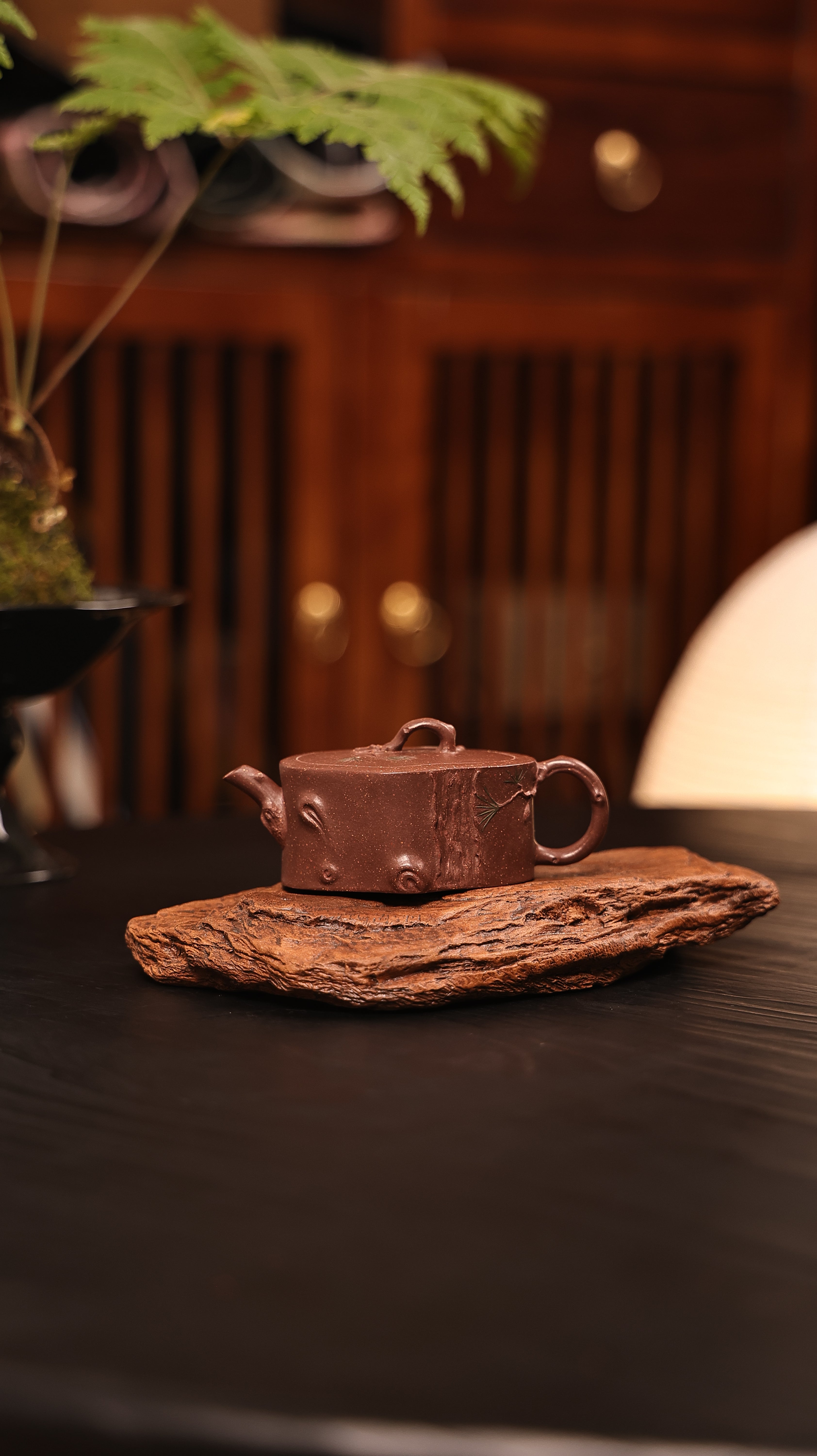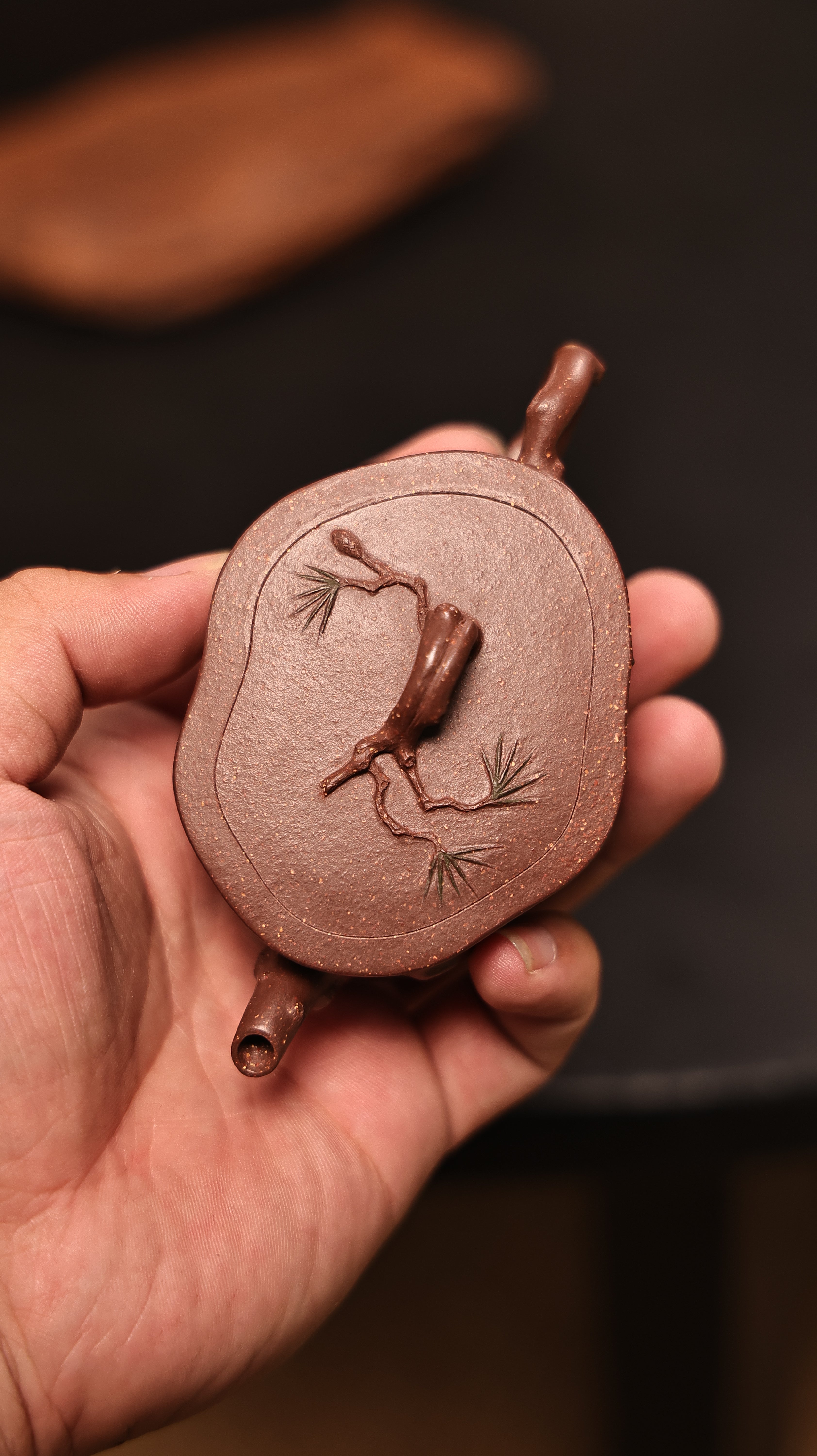
Everlasting lineage determines Zisha earthenware across decades,
Manifesting rare aspects obtained within native violet earthen materials, those containers acquire a finish through utilization, augmenting aroma drawn from steeped infusions.
Comprehending Yixing Soil: In-Depth Insights into Zisha
Numerous followers honor the unparalleled fabric of Yixing lavender clay, a keystone of heritage Chinese teaware. Originating from the Yixing region of Jiangsu province, this rare clay shows an refined mineral blend, so that imparts exceptional qualities to the final items. Classes within Zisha, including Duan Mud, Duan Ni Mud, and Jiang Xi Mud, each features distinct casts, grains, and curing traits, influencing the breathability and the concluding bouquet growth of the tea.
Sino Pitcher Customs: Examining Creativity
Oriental teapots embody more mere urns for beverage; they symbolize centuries of customary expertise. From the iconic Yixing clay variations, respected for their transpiring nature which conveys unique aromas to the liquid, to the ornate porcelain from Jingdezhen, each piece conveys a story of craft. The fabrication process is an involved mission, often passed down through houses of makers. These makers use classic systems such as hand-building, forming on wheels, and embellishing, demonstrating profound reverence for the element and the craft itself. Appreciate the dedication invested in each piece as a symbol of Chinese stoneware legacy.
- Yixing crocks: a timeless alternative.
- Elite ceramic teapots: valued for their refined design.
- Fabricating techniques: a arduous yet worthwhile procedure.
Zisha Pitcher Care: Caring for Your Treasure
Appropriate tending of your precious Yixing Zisha urn is necessary to safeguarding its quality. Crafted from celebrated purple sand mineral, these superior teapots form a subtle patina after operation, meaningfully boosting their allure. Do not use chemicals; a tender rinse with tepid moisture is efficient. Steer clear of very warm water for cleansing the teapot, as it may degrade its makeup. Allow it to air dry away from strong daylight. Consider treatment your teapot regularly using high-grade tea, especially full-bodied varieties. Here is a brief instruction:
- Wash over with softly heated liquid.
- Do not use chemical agents.
- Facilitate it to dry completely.
- Season with fine tea.
Heritage of Yixing Teapots: From Humble Origins
The account of Yixing teapots originates humbly during the Han dynasty, near the 16th time. Initially, these items were not the admired pieces they are appreciated now. They were formed by regional potters using the sole purple clay harvested solely in the Yixing vicinity. These early pieces were predominantly utilitarian, aimed for commonplace employment and often modest in form. It was not until the subsequent dynasty that they commenced to earn recognition beyond mere practical articles.
Determining the Perfect Fine Kettle: A Initial Primer
Delving the realm of Yixing teapots can be intimidating, but shun hesitating! For initiates, the essential factor is understanding the soil. Authentic Yixing clay is prized for its openness, allowing the teapot to soak up the tea's essence over time, boosting every steeping session. Envision the configuration; traditional circular shapes prevail, yet subjective preferences matter. Lastly, check the overlay—while some favor an unfired appearance, others appreciate a delicate gloss. Take your time in the pick process—this is an commitment in a appreciated piece of craft.
Yixing Teapots and Their Importance on Chinese Infusion Tradition
Zisha pitchers, derived from Yixing, China, have profoundly shaped historic Chinese infusion culture. The Yixing clay teapots, prized for their singular shade, makeup, and exceptional ability to impart a subtle bouquet to the tea, exist as more than mere pots; they are treasured creations and symbols of prestige. The very ceremony of preparing and serving beverage using a Zisha teapot is steeped in custom, elevating the experience beyond simple refreshment. Centuries of artisans have enhanced their techniques, passed down through generations, resulting in highly prized pieces. Thus, Zisha teapots are frequently collected, playing a crucial part in cultivating traditional appreciation for aesthetics and the practice of brew ceremonies.
- Distinctive Clay Composition
- Bestowing Subtle Flavor
- Fine Craftsmanship
Detecting Authentic Exceptional Provincial Containers
Collecting a original Yixing teapot can be a enjoyable experience, but the environment is often infested with copies. Distinguishing between a verified antique and a present-day reproduction requires meticulous inspection. Key evidence include the clay's reddish-brown shade, often displaying textured prints, and the lack of modern burning imprints. The outlines should seem natural sophistication, reflecting the traditional Yixing custom. Finally, researching the craftsman's imprint is essential to verify validity against official Zisha Teapot testimonies.
- Assess the clay's feel.
- Look for irregularities, indicative of crafted quality.
- Seek an authority for evaluation.
Buying 宜兴 Earthenware: A Elaborate Explanation to 紫砂 Analysis
The field of Native Zisha pieces presents a distinct opening for experienced supporters. Consistently, the value of these artisanal artifacts is affected by multiple considerations, such as the class of composition, the talent of the builder, the legacy significance, and, naturally, the current market. Newcomers should focus on researching the diverse categories of Zisha clay—such as Ice River, Tranquil Vessel, and Scarlet Earth—and researching the traits linked to each. Diligent assessment of the pot's form, hue, and seal is also mandatory to make competent evaluations when investing.